
Little Rock, AR · Garage Door Service
Garage Door Service for Little Rock's 1980s-Era Housing Stock
Little Rock Garage Door Pros fixes the spring, track, and opener failures common in homes built 1975-2001 across Little Rock's 17 neighborhoods. Same-company, local parts.
- Repairs & new doors
- Springs & openers
- Serving 8 nearby communities
How We Fix It
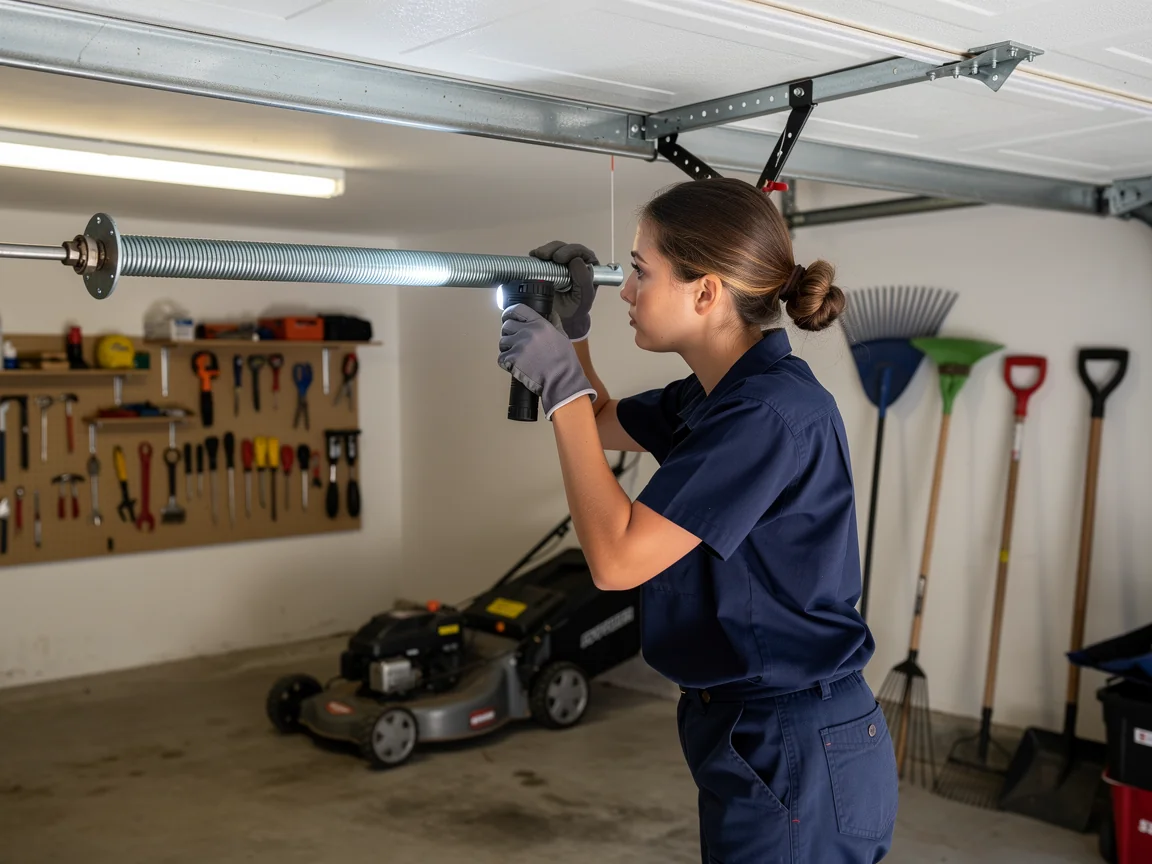
Most calls we run start the same way: a torsion spring that's finally given out, or a chain-drive opener grinding instead of lifting. We come out, test the door under load, and figure out whether it's the spring, the cable, the opener's drive gear, or the track alignment that's actually failing. If it's a spring, we replace both springs on a double door even if only one broke - the other is on the same clock and was wound and installed the same year. If it's the opener, we check whether the motor itself is still sound before we quote a full replacement; a lot of units from the 1980s and 90s just need a new logic board or drive gear, not a new ceiling unit. We carry common spring sizes and standard track hardware on the truck, which covers the bulk of what shows up in houses built here between 1975 and 2001. What we don't stock is anything custom - oversized commercial track, imported wood door hardware - and if that's what your door needs, we tell you the lead time up front instead of guessing.
How It Shows Up
The warning signs are usually small before they're not. A door that used to lift in one smooth motion starts catching halfway, or reverses right after it touches the floor. You hear a pop from the garage and the door won't budge - that's almost always a torsion spring letting go, and on a door installed in the 80s or 90s, it's often the original spring, now 30 to 45 years into a part rated for a fraction of that service life in cycles. Openers show it differently: the motor runs but the door doesn't move, or it moves and grinds, which points to a stripped gear rather than the motor itself. In colder stretches, we also see doors that operate fine most of the year but start sticking or running slow once temperatures drop, since old lubricant on original rollers and hinges thickens up and the opener has to work harder to overcome that resistance.
What Causes It Around Here
Little Rock's housing stock across the area's 17 named neighborhoods is mostly a 1980s-90s build, with F1's median landing at 1985. That's not a coincidence for us - it means a large share of the garage doors and openers we're called to look at are either original equipment or a single replacement generation old, and both torsion springs and chain-drive openers from that era are well past the point where failure is a surprise. The region's climate band runs cold-moderate, which isn't severe, but it's enough: the swing between summer heat and winter cold cycles steel hardware and dries out factory lubricant faster than a mild, steady climate would. Combine 30-to-45-year-old springs with that seasonal cycling and you get the pattern we see - failures cluster in the first real cold snap or the first stretch of heat, not evenly through the year. Newer doors, built to current code, use different spring-cycle ratings and better-sealed opener components, which is part of why replacement age matters more here than brand.
The Complications
The complication we run into most isn't the spring or the opener itself - it's what's attached to it. A door from 1985 was sized and hung to a track and header that may not match what's sold today, so a straight swap sometimes needs a bracket or header adjustment we can't quote over the phone. On households where the opener predates 1993 and still runs on a mechanical travel limit rather than electronic sensors, we generally recommend replacement over repair - the parts are gone, and safety-sensor requirements have changed since those units were built. We're honest when a repair isn't worth it: if the spring has gone and the opener is also failing, patching one without addressing the other usually means a second call within the year. With a median household income of $69,525 in the service area, most owners want a straight answer on repair versus replace rather than a sale, and that's what we give before any work starts.
Frequently asked questions
Why did my garage door spring break with no warning?
Torsion springs are rated for a set number of open-close cycles, and most homes here still have springs original to construction in the 1975-2001 range. By the time you hear the pop, the spring has usually been near the end of that cycle count for a while - the break just looks sudden.
Does cold weather actually affect garage doors in Little Rock?
Yes, more than people expect for a cold-moderate climate. Lubricant on older rollers and hinges thickens when temperatures drop, which makes the opener work harder and can push an already-worn spring or gear past its limit faster than it would fail in mild weather.
Is it worth repairing an opener from the 1980s or 90s?
Sometimes - if the motor and drive are sound, a new logic board or gear kit can fix it. But if it's running on a mechanical travel limit instead of modern safety sensors, we usually recommend replacement, since those parts are no longer made and the safety setup is outdated.
Do you replace just one spring if only one breaks?
On a double-spring door, we replace both. They're the same age and installed under the same load history, so the second one is close behind the first - replacing only one just means a second service call soon after.
By Neighborhood
Garage Door Service across the Little Rock area
We also handle garage door service in these Little Rock-area suburbs.
Book garage door service in Little Rock
Call now or request a quote - tell us what the door is doing and where you are.